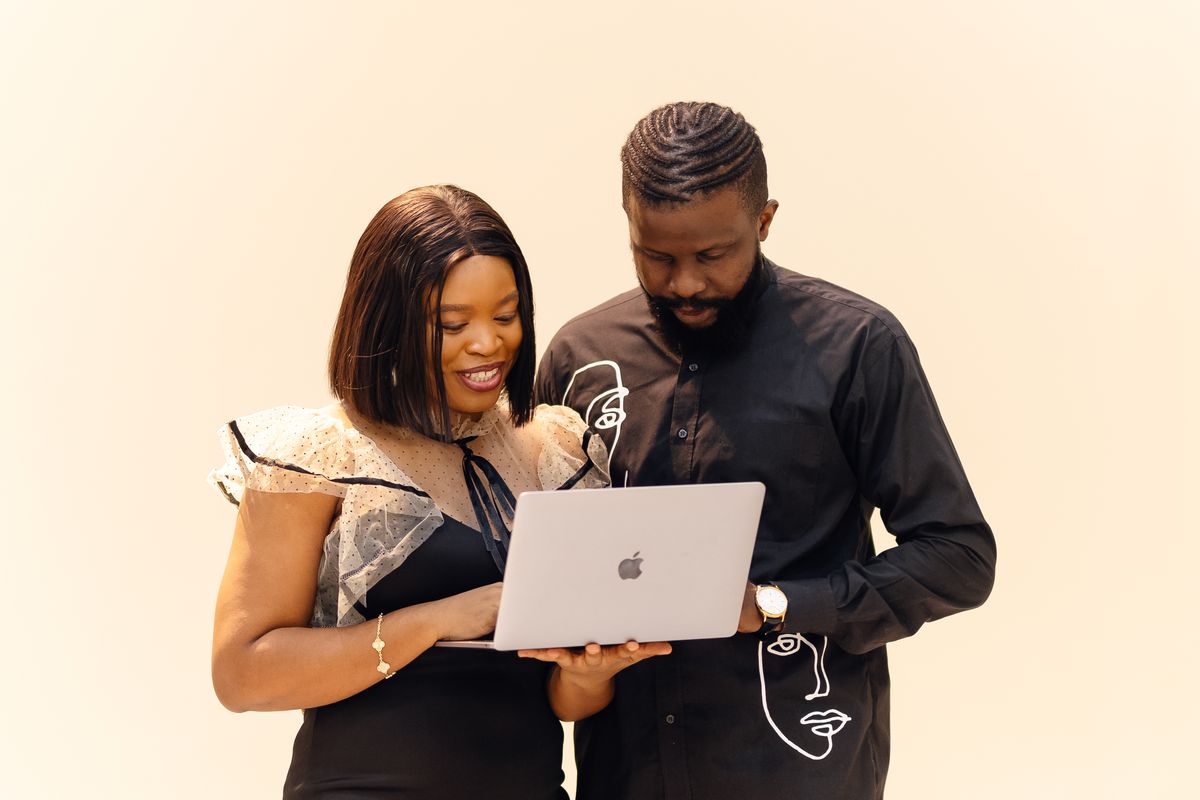
The interview is a conversation, not a performance
You can prepare ten impressive answers, dress well and know your CV from beginning to end, yet still leave an interview without making a meaningful connection. Why? Because an interview is not just a test of what you know. It is also an opportunity for another person to understand how you think, communicate and work with people.
A point making the rounds on TikTok is that candidates who succeed in interviews often have charisma. There is something useful in that observation, but charisma is easy to misunderstand. It does not mean being the loudest person, telling jokes, dominating the conversation or pretending to be someone you are not. In a professional setting, charisma often looks like presence: listening properly, responding thoughtfully, showing genuine interest and making the other person feel that their words matter.
The interviewer should leave the conversation with a clear sense of your ability and a positive experience of speaking with you. You need both. Strong answers without connection can feel rehearsed. A pleasant conversation without evidence of competence may be memorable but will not necessarily get you hired.
The skill most candidates underestimate: active listening
Many candidates are so focused on what they want to say next that they stop listening to the question in front of them. They hear a familiar keyword, begin reciting a prepared answer and miss what the interviewer is actually trying to find out.
Active listening means giving the speaker your attention, understanding the question and responding to its real meaning. Let the interviewer finish. Avoid interrupting. If a question is unclear, ask for clarification instead of guessing. Take a brief pause to organise your thoughts. These small behaviours communicate confidence and respect.
You can also acknowledge the point before answering. For example: 'That is an important point, especially in a role where priorities can change quickly. In my previous experience...' This shows that you heard the question and are connecting your experience to it, rather than simply waiting for your turn to speak.
Do not overdo the technique. Repeating every sentence back to the interviewer can sound artificial. The goal is not to perform listening; it is to listen well enough that your response is relevant.
Use the listen, connect and answer approach
A simple way to make your answers feel more natural is to follow three steps. First, listen to the full question. Second, identify what the interviewer wants to understand. Third, answer directly and connect your response to an example or result.
Suppose the interviewer asks, 'Tell me about a time you had to deal with a difficult customer.' They are not asking for a general lecture about customer service. They want to understand how you behave under pressure, how you communicate and how you resolve problems.
You could respond: 'I understand why that matters in customer-facing work. In my previous role, a customer was upset because an order was delayed. I listened to the complaint without becoming defensive, checked what had happened, explained the next steps and followed up until it was resolved. The situation taught me that people often need clear communication as much as they need a solution.'
The answer is structured, but it still sounds like a person speaking to another person. It demonstrates listening, judgement, action and learning.
Be warm without trying too hard
A good first impression starts before the first formal question. Greet the interviewer, introduce yourself clearly, use a natural smile where appropriate and settle into the conversation. If it is a virtual interview, check your camera, sound and internet connection beforehand. Look towards the camera when speaking, but do not stare at it unnaturally.
Use the interviewer's name if you are confident you have heard it correctly, but do not force it into every response. Show interest through thoughtful questions and relevant follow-up comments. Keep your tone professional and human.
You do not need to become an extrovert to interview well. Quiet candidates can be engaging. Charisma is not a personality type or a performance reserved for naturally outgoing people. Preparation, emotional awareness, curiosity and clear communication can all help you build rapport.
Stop memorising answers. Prepare evidence
Memorised answers can become a problem when the interviewer changes the wording or asks a follow-up question. Instead of learning a script, prepare a small bank of real examples that show how you work.
Use the STAR structure when it helps: Situation, Task, Action and Result. Explain the context briefly, identify what you were responsible for, describe the actions you personally took and finish with the outcome. Keep the focus on your contribution rather than hiding behind what 'we' did.
Prepare examples that demonstrate solving a problem, working with others, handling pressure, learning from a mistake, managing competing priorities and taking initiative. If you are early in your career, examples can come from volunteering, school projects, internships, community work, personal projects or Quick Tasks. Be honest about the context and your level of responsibility.
If you do not have a direct example, do not invent one. Explain how you would approach the situation and make your reasoning clear.
Answer the question they asked, not the one you rehearsed
A common interview mistake is giving a long answer that never quite reaches the point. Before you speak, identify the main thing the interviewer wants to know. Lead with the answer, support it with an example and stop when you have made your point.
For 'Tell me about yourself', do not narrate your entire life story. Give a concise professional introduction: what you do or are preparing to do, the relevant experience or strengths you bring, and why this role is a sensible next step.
For 'Why should we hire you?', connect the requirements of the role to two or three strengths you can demonstrate. For 'What is your weakness?', choose a genuine development area and explain the practical steps you are taking to improve. Avoid fake weaknesses disguised as compliments.
If you realise you have misunderstood a question, it is perfectly acceptable to say, 'I may have taken that in a different direction. Are you asking specifically about how I handled the deadline?' Clarifying is better than confidently answering the wrong question.
Make the interviewer feel heard by asking better questions
An interview should not be a one-way interrogation. The questions you ask can show that you are listening, thinking about the work and taking the opportunity seriously.
Use details from the conversation. If the interviewer mentions that the team is growing, you might ask, 'You mentioned the team is expanding. What would you most want the person in this role to take ownership of during the first three months?' If they describe a challenge, ask what a successful response would look like.
Other useful questions include: 'What would strong performance look like in the first 90 days?' 'What are the most important priorities for this role right now?' and 'How does the team usually give feedback and support development?'
Avoid asking questions just to sound intelligent. Ask because the answer will help you understand the role, the expectations and whether the workplace is right for you too.
Show that you can work with people, not just do the tasks
Employers are assessing more than technical ability. Depending on the role, they may also be considering reliability, communication, judgement, teamwork, customer awareness and how you respond when something goes wrong.
You can demonstrate these qualities through the way you conduct the interview. Listen without interrupting. Take responsibility when discussing mistakes. Give credit to colleagues where appropriate. Explain how you handled disagreement respectfully. Be clear about what you know and what you would need to learn.
Do not claim expertise you do not have. A candidate who says, 'I have not used that system yet, but I have worked with a similar tool and can explain how I would get up to speed,' is more credible than someone who pretends to know everything.
Your interview preparation plan before 2027
If you want to improve your interview performance before 2027, do not wait until you receive an interview invitation. Start practising now.
First, study the job description and identify the three or four outcomes the employer needs from the person they hire. Second, prepare five real examples that demonstrate relevant skills. Third, practise answering common questions aloud without memorising a script. Fourth, ask someone to conduct a mock interview and give you feedback on whether you listened, answered the question and communicated clearly. Fifth, research the organisation and prepare two or three questions that are specific to the role.
During practice, record yourself if you can. Notice whether you interrupt, rush, give overly long answers, use too many filler words or avoid giving concrete examples. Work on one improvement at a time. If you use an AI interview practice tool, treat its feedback as a starting point and apply your own judgement; automated feedback cannot fully reproduce every human interaction.
On interview day, arrive or log in early, keep your notes brief, breathe before answering and remember that you are also assessing whether the role and organisation are right for you.
The follow-up is part of the impression
After the interview, send a brief and professional thank-you message within a reasonable timeframe. Refer to something specific from the conversation, reaffirm your interest if you remain interested and thank the interviewer for their time.
Do not send repeated messages demanding an update or assume silence means rejection. If the employer gave you a timeline, respect it. If that timeline passes, one polite follow-up is reasonable.
A thoughtful follow-up reinforces professionalism, but it cannot replace the quality of the interview itself. Your strongest impression should come from the conversation, your evidence and the way you treated the people involved.
The real secret: make it easy to imagine working with you
The TikTok observation about charisma points to something worth practising: people remember how an interaction feels. When an interviewer feels listened to, receives clear answers and sees evidence of your ability, the conversation becomes more engaging and useful.
But do not mistake connection for a substitute for competence. You still need the right skills, preparation and examples. And no interview guide can guarantee a job; hiring decisions depend on role fit, business needs, other candidates and factors beyond your control.
Your aim is to leave the interviewer with three clear impressions: you understand what the role requires, you have credible evidence that you can contribute, and you communicate in a way that makes working with you feel constructive.
That is the kind of interview preparation worth taking into 2027. Do not just practise answering questions. Practise listening, thinking and having a professional conversation.
How Zidepeople can help you prepare
At Zidepeople, we believe people should be able to prepare for opportunities with more than guesswork. Our career resources, interview preparation support and Zidepeople Interview Coach are designed to help people strengthen how they present their skills and experience.
Explore opportunities on Zidepeople, practise your responses, build evidence of what you can do and keep your profile ready. Your next opportunity may come through a full-time role, a temporary Cover Role or a Quick Task. Whatever the opportunity, clear communication and dependable delivery matter.